


AICTE & BPUT approved intake for B.Tech in Electronics & Communication Engineering is 60.
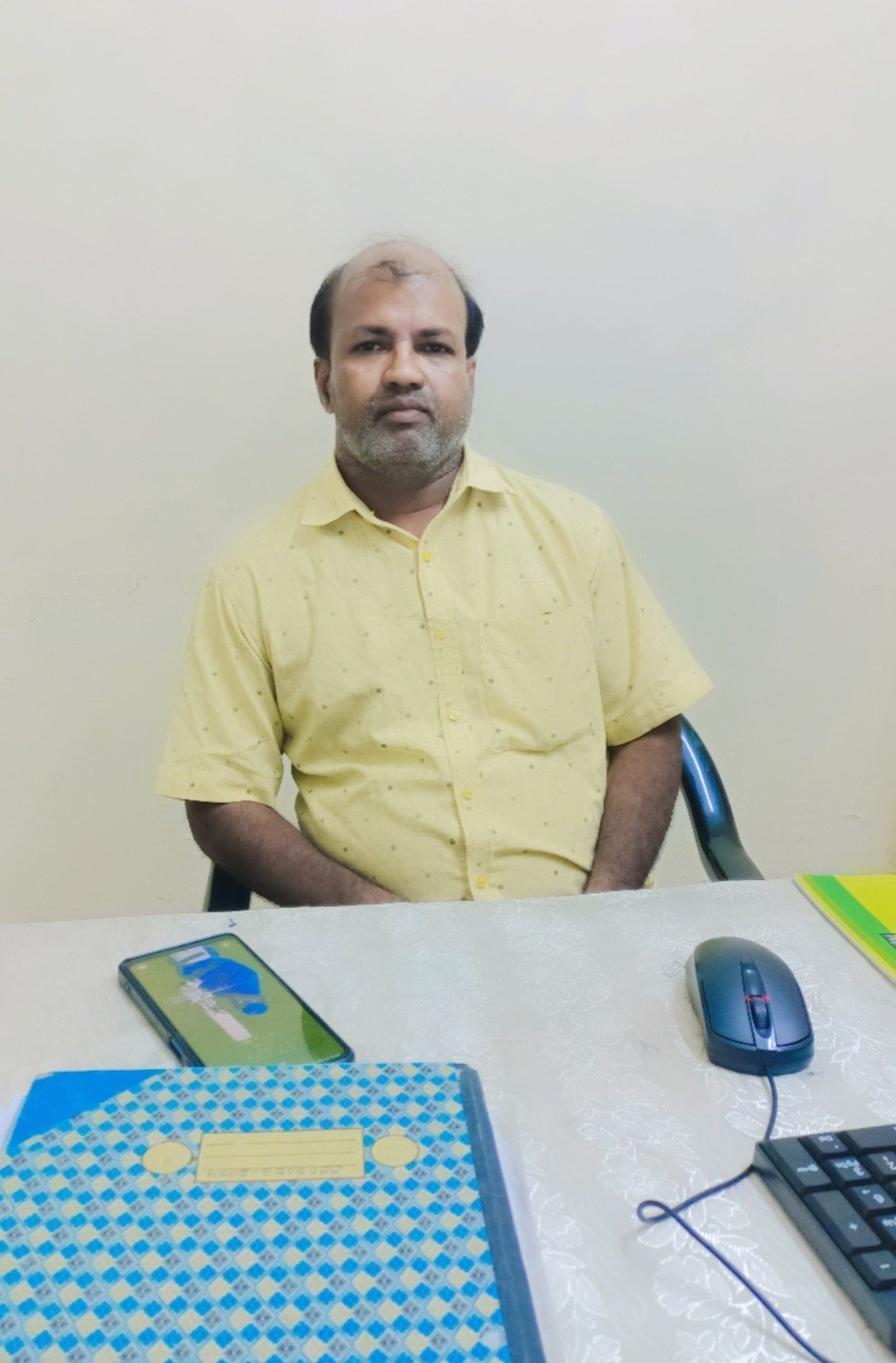
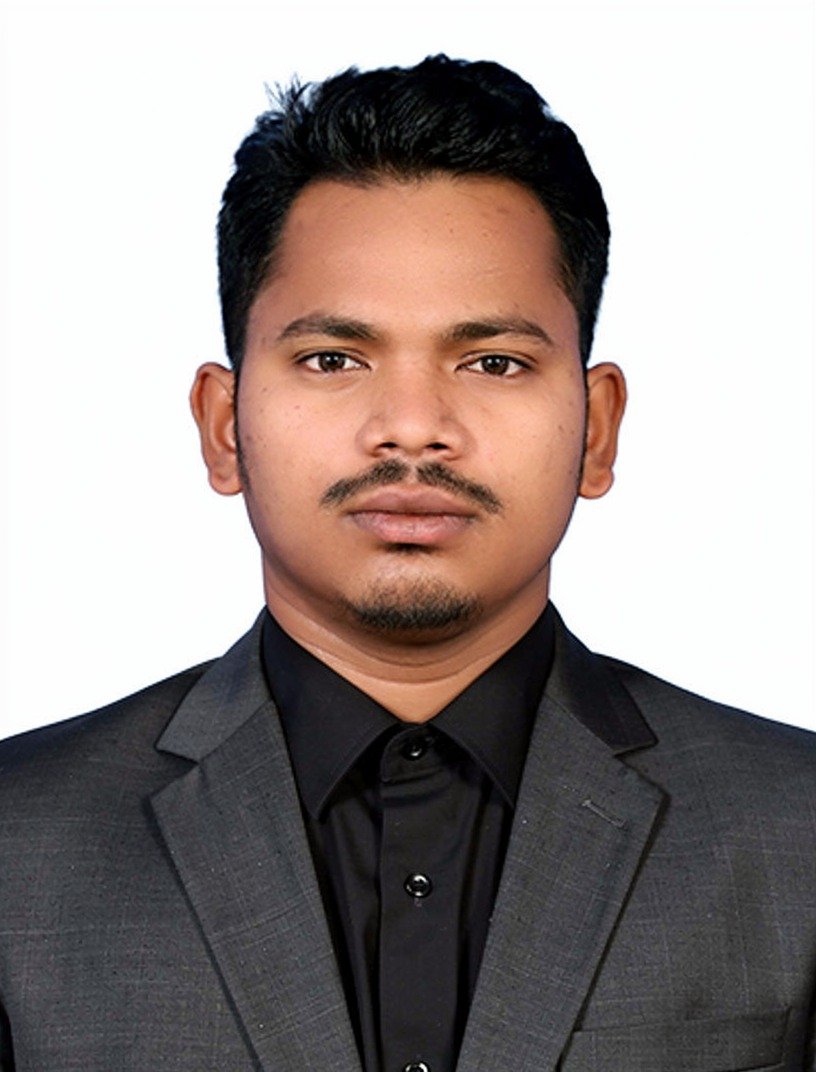
MR PARTHASARATHI GIRI
HOD, E.C.E DEPARTMENT
As the Head of the Department of Electronics & Communication Engineering at MEMS, I extend a warm welcome to all members of our esteemed community.
It is a privilege to lead a team of dedicated faculty members and talented students in our shared journey toward academic excellence and innovation. Our department is committed to providing a dynamic learning environment that fosters creativity, critical thinking, and technical proficiency.
Electronics & Communication Engineering encompasses a vast array of exciting and impactful applications, from power systems and renewable energy to digital electronics and communication networks. At MEMS, we aim to impart not only theoretical knowledge but also practical skills and hands-on experience to our students, preparing them for successful careers in various fields.
We believe in cultivating a spirit of inquiry and lifelong learning among our students, encouraging them to explore new ideas, push boundaries, and contribute meaningfully to society. Through our curriculum, research activities, and industry collaborations, we strive to equip our students with the tools and knowledge they need to address real-world challenges and make a positive impact on the world.
I urge all students to make the most of the resources and opportunities available at MEMS. Whether through involvement in student organizations, internships, research projects, or industry engagements, there are numerous avenues to enhance your educational journey and expand your horizons.
Wishing you all a successful and fulfilling academic year ahead.
The Department of Electronics & Communication Engineering at our institution offers a comprehensive range of programs to cater to the evolving needs of the industry. Our four-year B.Tech. program provides students with a solid foundation in the discipline.
Our faculty members bring a diverse range of expertise and strong academic backgrounds, having graduated from reputed institutes worldwide. Their wealth of knowledge and experience enriches the learning experience for our students.
Graduates of our department have been successfully placed in various organizations globally, attesting to the quality of education and training they receive.
Recognizing the growing demand for new communication technologies, our department is committed to imparting the latest knowledge and skills to our students. We have well-equipped laboratories stocked with modern equipment to facilitate hands-on learning and ensure that our students remain abreast of the rapidly changing technological landscape.
- To nurture young students into critical-thinking engineers, capable of rational analysis and problem-solving.
- To empower young students to become engineers who are inspired by a commitment to professional excellence.
- To cultivate engineers who are guided by human values and actively involved in contributing to the betterment of society.
- Engineering knowledge: Apply knowledge of mathematics, science, engineering fundamentals, and an engineering specialization to solve complex engineering problems.
- Problem analysis: Identify, formulate, review research literature, and analyze complex engineering problems using the first principles of mathematics, natural sciences, and engineering sciences.
- Design/development of solutions: Design solutions for complex engineering problems and design system components or processes that meet specified needs with consideration for public health and safety, and cultural, societal, and environmental factors.
- Conduct investigations of complex problems: Use research-based knowledge and research methods, including design of experiments, analysis and interpretation of data, and synthesis of information to provide valid conclusions.
- Modern tool usage: Create, select, and apply appropriate techniques, resources, and modern engineering and IT tools, including prediction and modeling, to complex engineering activities with an understanding of limitations.
- The engineer and society: Apply reasoning informed by contextual knowledge to assess societal, health, safety, legal, and cultural issues and responsibilities relevant to professional engineering practice.
- Environment and sustainability: Understand the impact of professional engineering solutions in societal and environmental contexts and demonstrate knowledge of and need for sustainable development.
- Ethics: Apply ethical principles and commit to professional ethics, responsibilities, and norms of engineering practice.
- Individual and teamwork: Function effectively as an individual and as a member or leader in diverse teams and multidisciplinary settings.
- Communication: Communicate effectively on complex engineering activities with the engineering community and society at large, including comprehending and writing effective reports and design documentation, making effective presentations, and giving and receiving clear instructions.
- Project management and finance: Demonstrate knowledge and understanding of engineering and management principles and apply them to one's own work, as a member and leader in a team, to manage projects in multidisciplinary environments.
- Life-long learning: Recognize the need for and have the preparation and ability to engage in independent and life-long learning in the broadest context of technological change.
Mr SAUMYADIPTA CHAND
Dept : ECE
Designation : Asst. Prof
Qualification : M.Tech

MRS PRIYADARSHANI DAS
Dept : ECE
Designation : Asst. Prof
Qualification : M.Tech
DR. DEEPAK KUMAR NAYAK
Dept : ECE
Designation : Asst. Prof
Qualification : Ph.D

MRS SAMIKHYA NAYAK
Dept : ECE
Designation : Asst. Prof
Qualification : M.Tech
MR LIPTIKANTA MANDAL
Dept : ECE
Designation : Demonstrator
Qualification : B.Tech

MS SOMALISA SATPATHY
Dept : ECE
Designation : Asst. Prof
Qualification : M.Tech
BHAGABAN SRI RAMKRISHNA
Dept : ECE
Designation : Asst. Prof
Qualification : M.Tech