
AICTE & BPUT approved intake for B.Tech in Mechanical Engineering is 60.
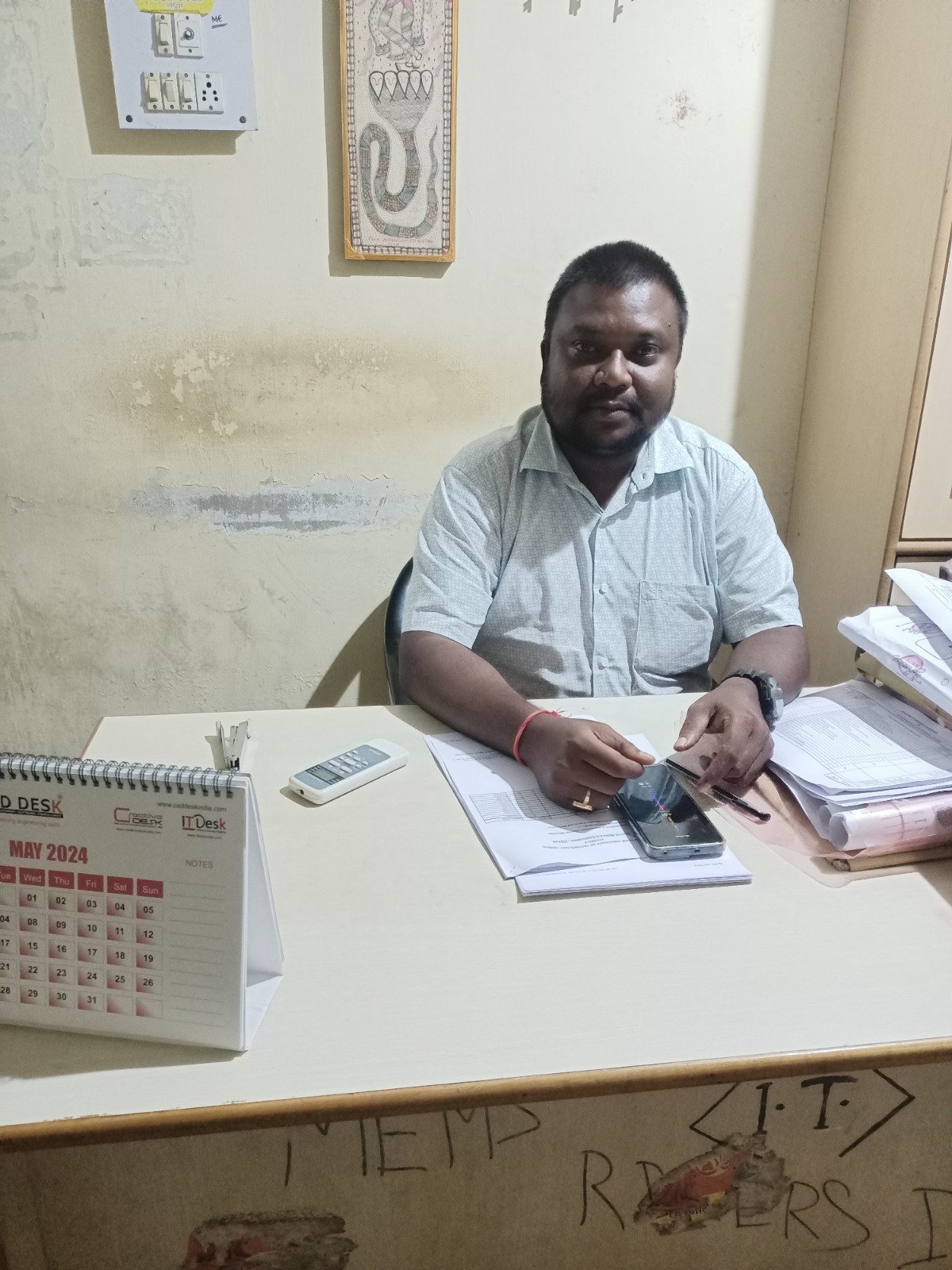
BIJAN KU BEHERA
HOD Mechanical Engineering
Mechanical Engineering stands as one of the oldest and most diverse engineering disciplines, covering a vast array of areas including design, manufacturing, energy systems, robotics, automotive engineering, and aerospace engineering. At MEMS, our department is dedicated to providing a comprehensive education that empowers students with the knowledge, skills, and experiences essential for success in the field of mechanical engineering.
The Department of Mechanical Engineering offers undergraduate programs that furnish students with a solid foundation in core mechanical engineering principles, alongside specialized knowledge in areas such as thermal engineering, fluid mechanics, materials science, and machine design. Our curriculum is meticulously designed to equip students for flourishing careers in industry, research, and academia.
The Department of Mechanical Engineering at the institute was established in 2008. As one of the oldest and finest departments in the region, it carries a rich legacy of excellence. From its inception, the primary objective has been to enhance the academic and technical knowledge of students through world-class technologies, teaching-learning methodologies, and research activities.
Throughout its illustrious journey, the department has remained at the forefront of technological and sustainable developments and trends in the field of mechanical engineering. It boasts a dedicated faculty comprising highly qualified and experienced members across all streams of mechanical engineering. The curriculum is continuously revised with active input from industry, alumni, research organizations, and other stakeholders.
The department offers a four-year B.Tech. in Mechanical Engineering.
To produce innovative, entrepreneurial, and successful engineers and technologists of high caliber for the nation, serving as a valuable resource for industry and society.
- To provide students and faculty with opportunities to create, interpret, and apply knowledge in the field of Mechanical Engineering.
- To offer technological services to local, national, and international communities.
- Engineering knowledge: Apply knowledge of mathematics, science, engineering fundamentals, and an engineering specialization to solve complex engineering problems.
- Problem analysis: Identify, formulate, review research literature, and analyze complex engineering problems using the first principles of mathematics, natural sciences, and engineering sciences.
- Design/development of solutions: Design solutions for complex engineering problems and design system components or processes that meet specified needs with consideration for public health and safety, and cultural, societal, and environmental factors.
- Conduct investigations of complex problems: Use research-based knowledge and research methods, including design of experiments, analysis and interpretation of data, and synthesis of information to provide valid conclusions.
- Modern tool usage: Create, select, and apply appropriate techniques, resources, and modern engineering and IT tools, including prediction and modeling, to complex engineering activities with an understanding of limitations.
- The engineer and society: Apply reasoning informed by contextual knowledge to assess societal, health, safety, legal, and cultural issues and responsibilities relevant to professional engineering practice.
- Environment and sustainability: Understand the impact of professional engineering solutions in societal and environmental contexts and demonstrate knowledge of and need for sustainable development.
- Ethics: Apply ethical principles and commit to professional ethics, responsibilities, and norms of engineering practice.
- Individual and teamwork: Function effectively as an individual and as a member or leader in diverse teams and multidisciplinary settings.
- Communication: Communicate effectively on complex engineering activities with the engineering community and society at large, including comprehending and writing effective reports and design documentation, making effective presentations, and giving and receiving clear instructions.
- Project management and finance: Demonstrate knowledge and understanding of engineering and management principles and apply them to one's own work, as a member and leader in a team, to manage projects in multidisciplinary environments.
- Life-long learning: Recognize the need for and have the preparation and ability to engage in independent and life-long learning in the broadest context of technological change.
MR JAGADISH BEHERA
Dept : Mechanical Engineering
Designation : Asst. Prof
Qualification : M.Tech
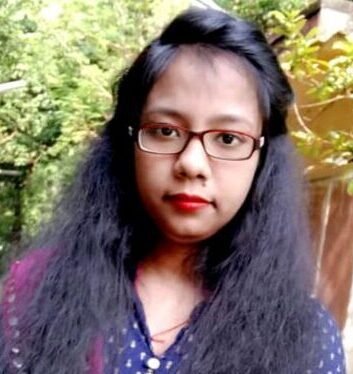
MISS SUSMITA DAS
Dept : Mechanical Engineering
Designation : Asst. Prof
Qualification : M.Tech
MR SATYAPRAKASH MOHARANA
Dept : Mechanical Engineering
Designation : Asst. Prof
Qualification : M.Tech
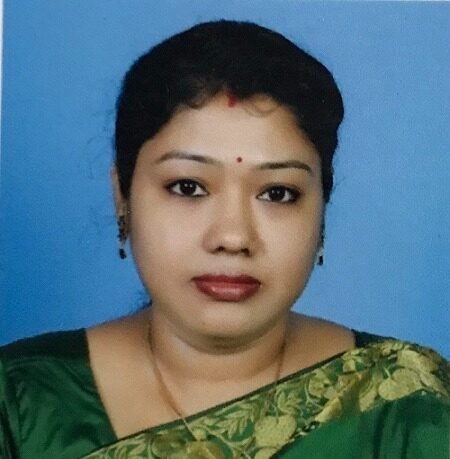
SIDDHA SANKALPA PATTANAIK
Dept : Mechanical Engineering
Designation : Asst. Prof
Qualification : M.Tech